Realizing your planned addition is too small during a home addition project can feel disappointing and stressful. You may have envisioned a generous space for family, guests, or work, only to find it cramped once planning or construction begins.
Home additions can still be adjusted effectively even if your initial space plan feels too small.
This guide explains what steps you can take when space feels too tight, how to rethink your design, and ways to make the most of your home addition project.
Why Additions Sometimes Turn Out Too Small
Even well-planned additions can feel too small once you see the full scope of the space.
Common Causes
- Initial measurements did not reflect real needs
- Layout didn’t maximize usable space
- Storage needs were underestimated
- Furniture or appliances were not factored in
- Future needs changed during planning
Understanding why your space feels limited is the first step toward improving it.
Signs Your Addition Plan Is Too Small
You Notice These When Reviewing Plans
- Rooms feel squished on paper or in 3D renderings
- Furniture placement lacks breathing room
- Circulation paths seem tight
- Storage needs do not fit planned space
- Spaces feel “just enough” instead of comfortable
If any of these apply, it’s worth exploring options to expand or rethink the design.
First Step: Talk With Your Designer or Contractor
Before making any changes, review your concerns with your design or build team.
What to Discuss
- Which areas feel too small
- How your family will use the space
- Storage and layout needs
- Long-term plans that affect space use
Your team may identify solutions you didn’t consider at first.
Look for Ways to Maximize Usable Space
Even within the same footprint, intelligent design can make a room feel larger.
Layout Tips to Create More Space
Open Up Walls or Doorways
Removing non-structural walls can:
- Improve sight lines
- Create visual openness
- Allow better furniture placement
Integrate Built-In Storage
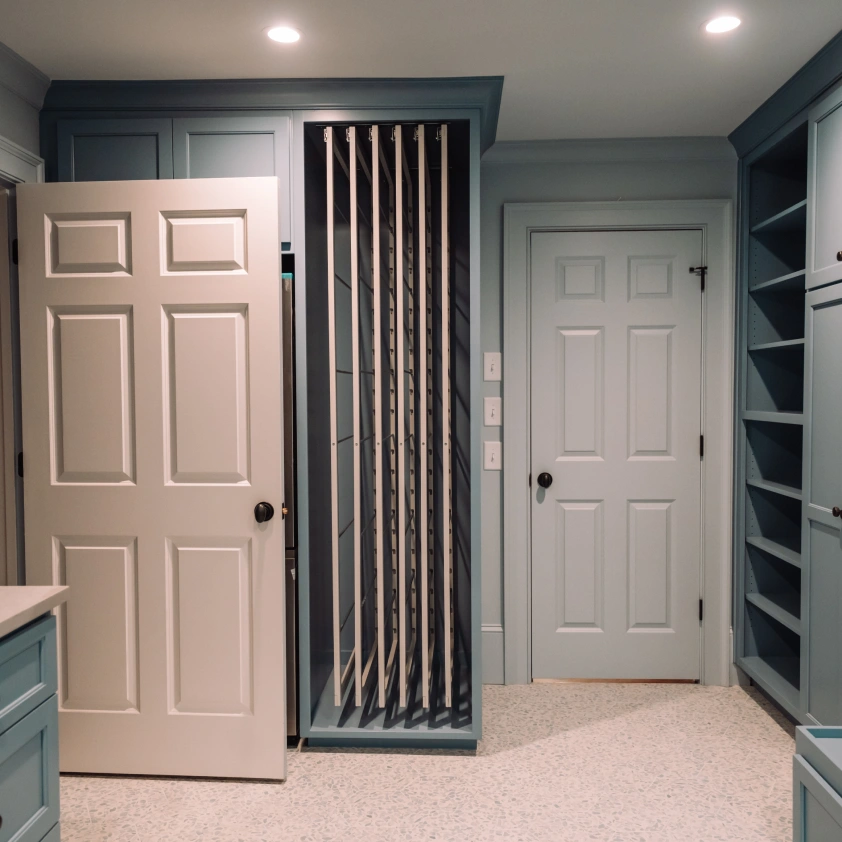
Smart, built-in storage can reduce clutter and free up floor space.
- Shelving walls
- Built-in cabinets
- Hidden storage under benches
Use Vertical Space
Tall ceilings or vertical storage make rooms feel airier.
- Tall cabinets or shelves
- Lofted spaces where possible
- Skylights to attract the eye upward
When to Expand Horizontally
If your planned addition feels too small, a horizontal expansion might be possible.
Benefits of Expanding Outward
- Adds real square footage
- Creates dedicated zones (e.g., sitting area, office nook)
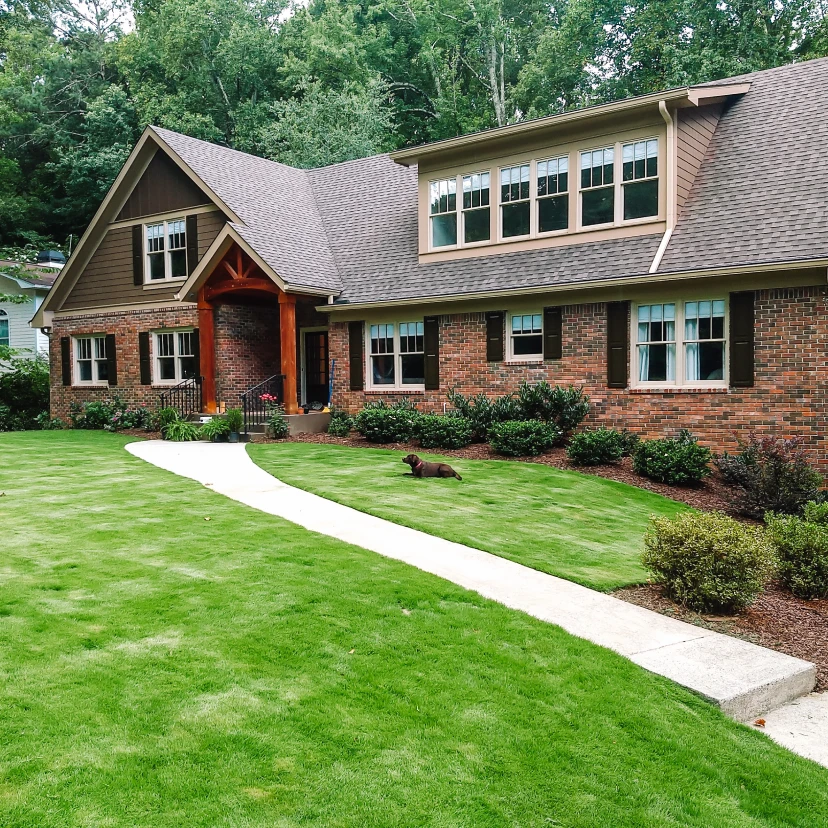
- Improves flow with the yard or patio
Before moving forward, check:
- Lot boundaries
- Property setbacks
- Local permitting requirements
Some homes have room to grow outward; others may not. Your contractor can help confirm what’s feasible.
Can Floor Plan Adjustments Help?
Yes. Changing the layout may unlock the space you need without expanding the footprint.
Options to Reconsider Your Floor Plan
- Open concept instead of segmented rooms
- Reducing excess hallway space
- Sharing spaces where possible (e.g., living + dining)
- Rotating walls to optimize square footage
A fresh layout review can reveal hidden possibilities.
Make Sure Your Furniture Fits the Space
Sometimes the feeling of “too small” comes from furniture choices.
Furniture Tips for Small Additions
- Choose scaled furniture
- Avoid oversized accessories
- Use multifunctional pieces like ottomans with storage
- Anchor space with rugs that define zones
A well-planned furniture layout can change how large a space feels.
How Lighting Affects Perceived Space
Good lighting can make rooms feel open and welcoming, reducing the sense of confinement.
Ways Lighting Enhances Space
- Large windows for daylight
- Recessed lighting for even illumination
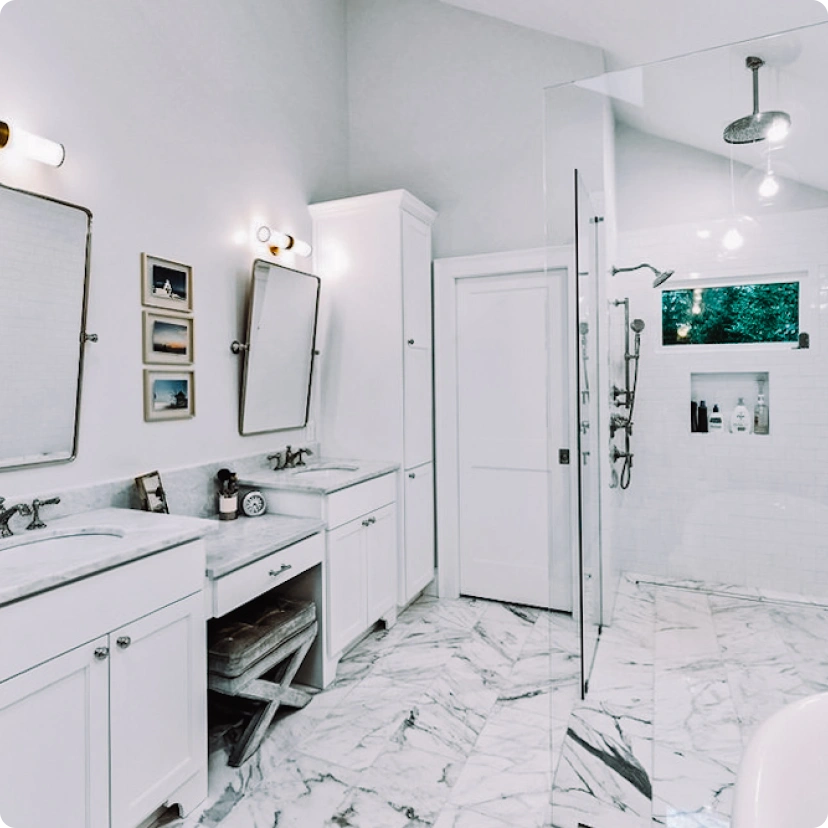
- Mirrors to reflect light
- Layered lighting for depth
Lighting choices are easy upgrades that improve comfort and perception.
Don’t Forget the Outside Connection
Sometimes the interior feels small because it doesn’t connect to the outdoor space.
Ways to Improve Flow to the Outdoors
- Large sliding doors
- Covered patios or porches
- Decks with seating areas
Blurring the line between indoor and outdoor space expands how you use your addition.
What If Changes Are Too Costly?
Not all adjustments require major construction.
Cost-Effective Ways to Improve Space
- Decluttering before finalizing plans
- Adjusting shelving and storage design
- Using color and finishes that open up space
- Consulting a space planner for layout ideas
Simple changes can boost comfort without heavy expense.
How to Avoid This Problem in Future Projects
Tips for Better Initial Planning
- Review lifestyle and storage needs early
- Bring furniture dimensions into early plans
- Consider future needs like aging in place or work-from-home
- Use mock-ups or 3D renderings to visualize space
- Get input from all household members
Strong planning prevents space issues before construction starts.
How the Right Team Can Help With Home Additions in Atlanta, GA
Deciding how to adjust a home addition that feels too small can be confusing and emotional. Partnering with a team that understands space planning and efficient design makes the process smoother and more predictable.
Intown Renovations Group helps Atlanta homeowners explore space challenges and design solutions that work for their needs. With over 1,000 renovation and addition projects completed, they provide thoughtful planning, transparent pricing, and expert coordination for home additions, expansions, sunrooms, attic buildouts, and more. Their team works closely with homeowners to adjust plans early and maximize space before construction begins.
If you are planning home additions in Atlanta, GA and find your initial space too small, a local renovation expert can help you reassess your design, explore expansion options, and create space that fits your lifestyle.