When homeowners invest in a brand-new shower, poor drainage can quickly ruin that upgrade. Standing water, slow draining, or leaks under the tile usually point to mistakes made during planning or installation.
Bathroom remodeling projects should always include proper shower drainage planning from day one.
This guide explains how to prevent drainage problems before they start so your new shower works properly for years.
Why Shower Drainage Problems Happen in New Bathrooms
Many people assume drainage issues only happen in older homes. That is not always true.
New showers can have drainage problems due to:
- Incorrect shower pan slope
- Improper plumbing connections
- Poor waterproofing
- Clogged or undersized drain lines
- Venting issues
Most of these problems begin during installation, not after years of use.
The Importance of Proper Shower Pan Slope
Why Slope Matters
Water must flow naturally toward the drain. If the shower base is flat or sloped incorrectly, water will pool.
Even a slight error can cause:
- Standing water in corners
- Mold growth
- Tile damage
- Long-term structural issues
What Proper Slope Should Look Like
The shower base should gently slope toward the drain from all directions. The pitch must be consistent, not uneven or wavy.
This detail is one of the most common mistakes in new construction showers.
Choosing the Right Drain Placement
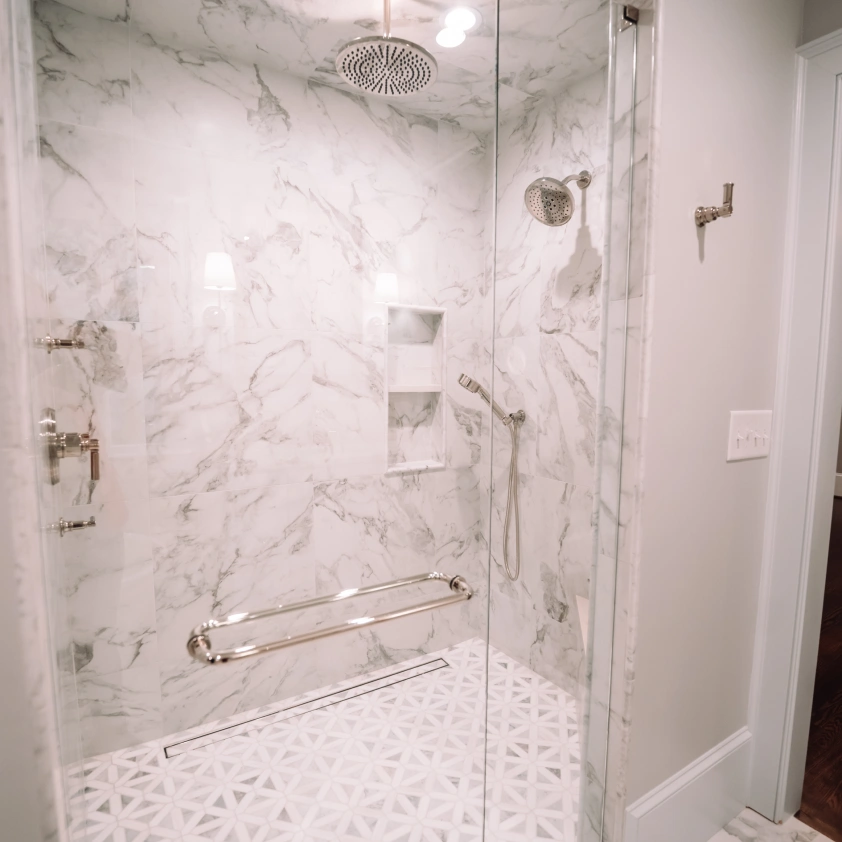
Center Drain vs. Linear Drain
Drain placement affects how water flows.
Center Drain
Traditional option that requires slope from all four sides.
Linear Drain
Modern option placed along one wall, allowing a single-direction slope.
Both work well if installed correctly. The key is proper planning during the bathroom remodeling phase.
Plumbing Layout and Pipe Size Matter
What Causes Slow Drainage in New Showers?
Slow drainage often happens because:
- Drain pipes are too small
- Pipes were installed with poor slope
- Plumbing vents are missing or blocked
- Connections were not sealed correctly
Proper pipe sizing and slope ensure water moves smoothly through the system.
Venting: The Hidden Drainage Factor
Why Plumbing Vents Are Critical
Plumbing vents allow air into the system so water can flow freely.
Without proper venting, you may notice:
- Gurgling sounds
- Slow draining
- Water backing up
- Unpleasant odors
Venting problems are not visible but can seriously impact shower performance.
Waterproofing Is Just as Important as Drainage
Drainage and waterproofing work together.
If waterproofing fails:
- Water can seep under tile
- Subfloors can rot
- Mold can develop behind walls
- Repairs become costly
A properly installed shower pan liner or waterproof membrane protects the structure beneath.
How Tile Installation Affects Drainage
Common Tile Mistakes
Even with proper slope underneath, poor tile work can trap water.
Watch for:
- Uneven tile placement
- Incorrect grout application
- Blocked weep holes near the drain
Small tile errors can disrupt proper water flow.
What to Do Before Installing a New Shower
Planning prevents most drainage issues.
Important Steps Before Installation
- Confirm proper drain location
- Verify subfloor stability
- Check plumbing slope
- Ensure correct venting
- Use high-quality waterproofing materials
During bathroom remodeling Atlanta, GA projects, these steps should never be rushed.
Signs Your New Shower Drainage Is Not Working Properly
Even new showers can show early warning signs.
Watch for These Problems
- Water pooling around your feet
- Drain bubbling or gurgling
- Water escaping the shower area
- Persistent moisture smell
- Slow draining after short showers
If you notice these signs, address them quickly.
Can Bathroom Remodeling Prevent Shower Drainage Issues?
How does bathroom remodeling improve shower drainage?
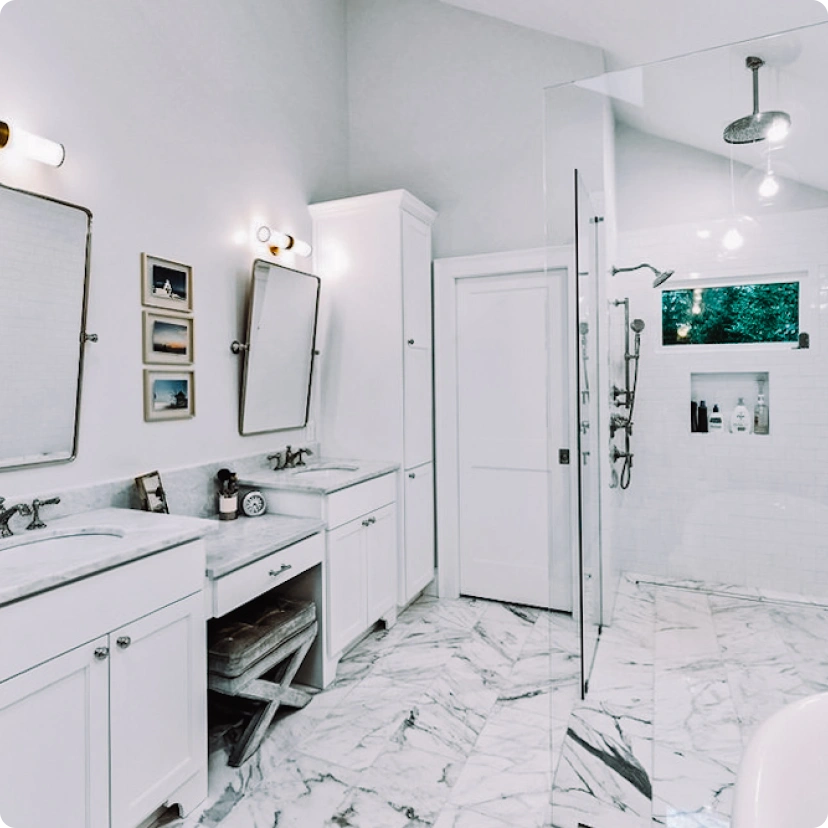
Bathroom remodeling Atlanta, GA projects provide the opportunity to redesign drainage systems correctly. During remodeling, professionals can inspect old plumbing, correct pipe slope, update venting, and install proper waterproofing.
This is often easier during renovation than after tile and fixtures are already installed.
The Role of Professional Installation
Shower drainage is not just about connecting a pipe.
It involves:
- Engineering correct slope
- Ensuring proper pipe diameter
- Installing waterproof barriers
- Aligning tile work with drainage flow
- Passing inspections
Experienced professionals understand how these elements work together.
How Atlanta’s Climate Affects Bathroom Drainage
Atlanta’s humidity increases the risk of moisture problems.
If drainage is poor:
- Mold can develop faster
- Grout can deteriorate
- Wood framing can weaken
- Odors may linger
Proper drainage is especially important in humid climates.
Maintenance Tips to Keep Drains Performing Well
Even a perfectly installed drain needs maintenance.
Simple Drain Care Habits
- Clean hair and debris regularly
- Use drain covers
- Avoid flushing non-dissolvable items
- Schedule occasional plumbing checks
These habits extend the life of your shower system.
Avoiding Drainage Mistakes During Design
Before construction begins, consider:
- Shower size and shape
- Water flow from showerheads
- Multiple shower fixtures
- Placement of niches and benches
Large or multi-head showers require more drainage capacity.
The Cost of Fixing Drainage Problems After Installation
Correcting drainage problems after installation can involve:
- Removing tile
- Replacing subfloor
- Adjusting plumbing lines
- Reinstalling waterproofing
This process is far more expensive than planning correctly from the start.
How to Ensure Long-Term Performance
To ensure your shower drains properly:
- Use licensed professionals
- Inspect slope before tile installation
- Confirm venting compliance
- Choose quality materials
- Do not rush installation
Bathroom remodeling should always include a detailed drainage plan.
How the Right Team Helps Prevent Drainage Problems in Atlanta Showers
Proper drainage is one of the most important structural elements of a successful shower remodel.
Intown Renovation Group specializes in bathroom remodeling projects throughout Atlanta. Their team carefully plans drain placement, pipe slope, waterproofing, and tile installation to prevent common drainage failures. By addressing structural details early in the process, they help homeowners avoid costly repairs and long-term moisture damage.
If you are planning a bathroom remodeling in Atlanta, GA, working with an experienced local team ensures your new shower drains properly and performs reliably for years to come.